

Exfoliation is one of the most underrated steps in your skincare routine! It gently washes away all the impurities in your skin, promoting skin renewal, revealing smoother, brighter skin and making way for better product absorption.
But, let’s be honest! With so many options available, it can make exfoliation product selection tricky. The best way to go about it is to choose an exfoliator that suits your skin type.
Why Exfoliate?
Did you know that exfoliation can also help to lessen the severity of finer lines and wrinkles? Exfoliation stimulates collagen production and accelerates cell turnover for smoother, younger-looking skin.
-
Brighter Complexion: Removes dead skin cells that can make your complexion look dull.
-
Smoother Skin: When your skin is clear from impurities, exfoliation helps to smooth out any rough patches and uneven texture.
-
Improved Product Absorption: Well-prepared skin soaks up any skincare products and penetrates deeper into the skin for faster and longer-lasting results.
-
Reduced Breakouts: Prevent clogged pores, which lead to breakouts.
-
Increased Collagen Production: Studies suggest that exfoliation helps to stimulate collagen production, improving your skin's elasticity and firmness.
Types of Exfoliators
-
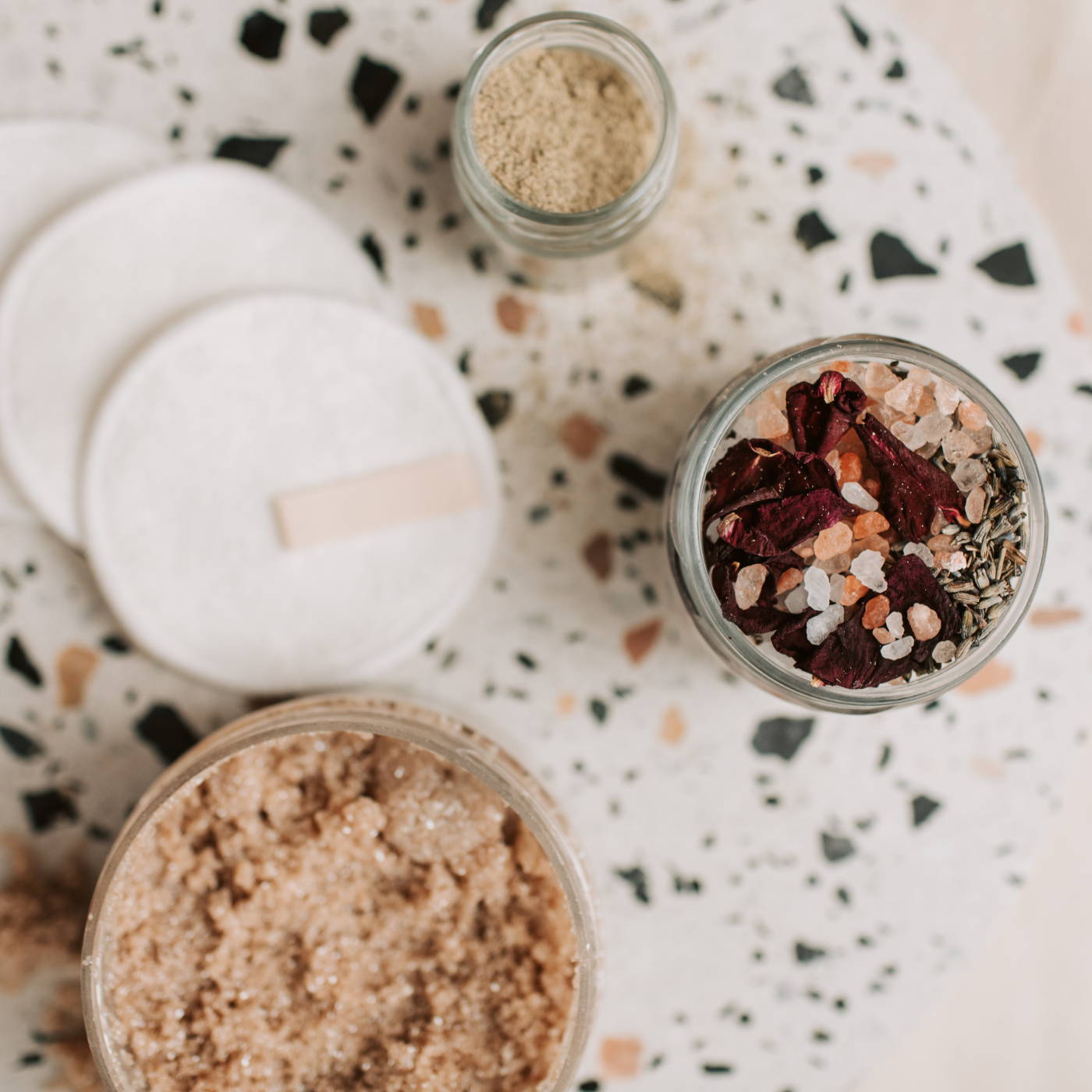
Physical Exfoliators: Anything that uses manual scrubbing to remove dead skin cells. Examples include scrubs, brushes and sponges.
-
Chemical Exfoliators: Scientifically proven recipes of acids or enzymes to loosen any bonds that hold dead skin cells together. Examples include AHAs (alpha-hydroxy acids) and BHAs (beta-hydroxy acids).
Our Recommendations for Skin Type Exfoliation
-
Dry Skin: Opt for a gentle physical exfoliator with fine granules or a chemical exfoliator with hydrating ingredients.
-
Oily Skin: You can use a stronger physical exfoliator or a chemical exfoliator with salicylic acid.
-
Sensitive Skin: Choose a very gentle physical exfoliator or a chemical exfoliator with low concentrations of acids.
-
Combination Skin: You may need to use different exfoliators on different areas of your face.
Most people can exfoliate 1-2 times per week. For those with sensitive skin, you may need to exfoliate less.

Incorporating Exfoliation into Your Skincare Routine
-
Cleanse: Start with a skin cleanser to remove any makeup or dirt.
-
Exfoliate: Apply your chosen exfoliator to your face and neck, avoiding the eye area. Gently massage your skin using circular motions.
-
Rinse: Rinse off the exfoliator thoroughly with lukewarm water.
-
Moisturise: Follow up with a moisturiser to hydrate and protect your skin.
-
Sunscreen: If you're exfoliating in the morning, be sure to apply sunscreen afterwards.
It’s never too late to start an exfoliating routine for optimal skin renewal. Check out Retail Box’s full exfoliation range online now. This is your chance to achieve smoother, brighter skin! If you still aren't sure which of our exfoliators to choose, we offer free skin consultations to help you find the best skincare for your needs.
FAQs and Answers
Exfoliation removes dead skin cells and impurities which helps improve skin texture brightness and overall skin health.
Most skin types can exfoliate one to two times per week while sensitive skin may need less frequent exfoliation.
Physical exfoliators use manual scrubbing while chemical exfoliators use acids or enzymes to dissolve dead skin cells.
Dry skin benefits from gentle exfoliators with fine particles or hydrating chemical exfoliators to avoid irritation.
Yes but sensitive skin should use very gentle exfoliators with low acid concentrations and exfoliate less often.
Yes exfoliation helps prevent clogged pores which can reduce breakouts and improve skin clarity.
Yes exfoliating first helps skincare products absorb better and work more effectively on the skin.
Yes exfoliation makes skin more sensitive so applying sunscreen is essential especially when exfoliating in the morning.