

Stubborn bumps, redness and irritation that appear after shaving can be both frustrating and embarrassing. Are they ingrown hairs? Or something else entirely? It’s quite common to confuse ingrown hairs with other skin conditions because they produce similar symptoms, but treatment plans vary dramatically!
Understanding Ingrown Hair
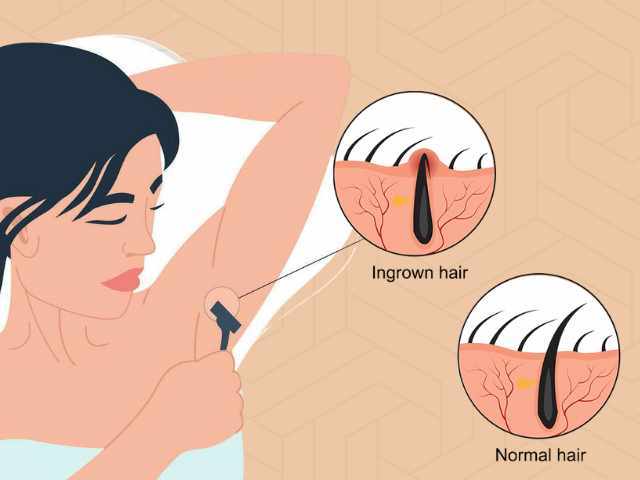
An ingrown hair occurs when a hair follicle gets blocked, causing the hair to grow sideways or back into the skin instead of upwards after shaving, waxing or epilating. This leads to inflammation, redness, itching and oftentimes infection.
Curly and coarse hair types are more susceptible to ingrown hairs, especially in areas where hair is frequently removed. Following the correct technique during hair removal with consistent aftercare is your secret formula to preventing future issues.&
The best way to prevent and treat ingrown hairs is by combining regular exfoliation with skin soothing products and targeted treatments.
Key Strategies for Preventing and Treating Ingrown Hair
1. Resurface the Skin with Exfoliation
Careful exfoliation removes any dead skin cells that can trap hairs beneath the surface. Use a gentle scrub or exfoliating pad 2–3 times a week, focusing on areas prone to ingrowns like the bikini line, legs and underarms. Chemical exfoliants infused with salicylic acid or glycolic acid are especially effective for unclogging pores and preventing bumps.
After exfoliating, apply a soothing serum or face oil. Look for natural ingredients including aloe vera, tea tree oil or chamomile to calm irritation and support skin healing. Hydrating oils such as grape seed or jojoba can further reduce redness and keep skin soft, soothing any rash you may have without discomfort.
Use products specifically formulated to tackle ingrown hairs with a blend of exfoliants and soothing agents so you can pinpoint the actual root cause and reduce inflammation at the same time.
Use a warm compress before hair removal or exfoliating to soften your skin and open the pores.
Dealing with ingrown hairs can be frustrating, but with a consistent routine focusing on exfoliation, skin soothing and targeted treatments, you can significantly reduce their occurrence and enjoy smoother skin without irritation.
FAQs and Answers
Ingrown hairs occur when hair grows back into the skin due to blocked follicles, often after shaving, waxing or epilating.
People with curly or coarse hair are more likely to experience ingrown hairs, especially in areas where hair is removed frequently.
Exfoliation removes dead skin cells that trap hairs beneath the surface, allowing hair to grow out naturally and reducing inflammation.
Exfoliating two to three times a week is ideal to keep pores clear without irritating the skin.
Ingredients such as aloe vera, tea tree oil and chamomile help calm redness, itching and inflammation caused by ingrown hairs.
Yes, chemical exfoliants like salicylic acid and glycolic acid help unclog pores and prevent hair from becoming trapped under the skin.
Targeted ingrown hair treatments combine exfoliating and soothing ingredients to treat the root cause while reducing irritation.
Using a warm compress before hair removal helps soften the skin and open pores, making ingrown hairs less likely to form.